Engineering Change Management in the 3DEXPERIENCE Platform: Addressing the FAQs

By Minutus Computing|December 5, 2024|4 min read

Engineering Change Management (ECM) is a critical process in product development that ensures modifications to designs, materials, or processes are systematically managed. The objectives of having a robust ECM process are enhancing collaboration, traceability, and efficiency across the engineering lifecycle. In this blog, we will explore the key features of ECM within the 3DEXPERIENCE platform and how organizations can leverage these capabilities to improve their product development processes.

Understanding Engineering Change Management

ECM involves managing changes in engineering specifications and designs while minimizing disruptions and risks. It encompasses several key activities, including:

  • Change Request Initiation: Capturing the reason for change from stakeholders.
  • Change Evaluation: Assessing the impact and feasibility of the proposed change.
  • Approval Workflow: Managing the approval process to ensure proper governance.
  • Implementation: Executing the change in designs, documentation, and processes.
  • Documentation and Communication: Keeping all stakeholders informed throughout the change process.
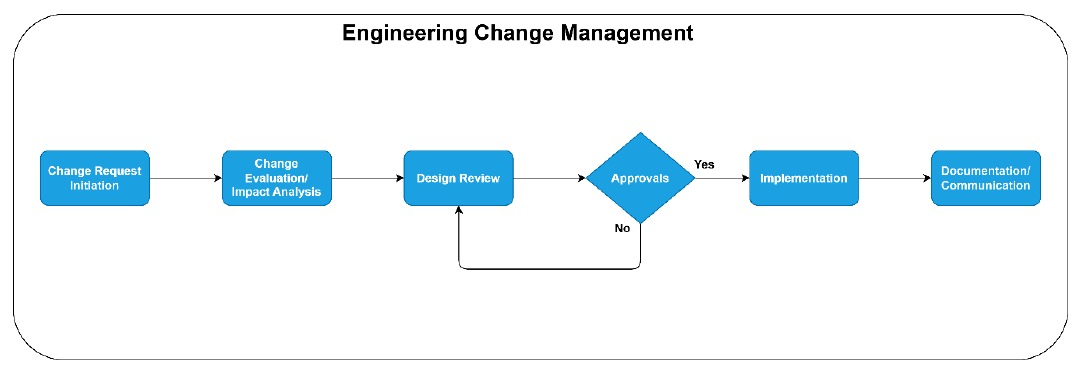
Engineering Change Management chart

The most frequently asked questions (FAQs)

Note: We will be using the abbreviations CO and CA for Change Order and Change Action respectively.

In this case, the change process usually starts with an issue which is an OOTB functionality provided with the 3DEXPERIENCE platform. The issue, upon further evaluation, becomes the starting point and captures the reason for change as NPD.

Best Practices for Implementing ECM in the 3DEXPERIENCE Platform

Process Mapping

Establish standardized ECM processes that align with your organization's goals. It is imperative to have all the members introduced to these processes and have sufficient knowledge transfer.

Early Engagement

Involve all relevant stakeholders from the beginning of the change management process. Early engagement fosters buy-in and reduces resistance.

Platform Utilization

Training users on the 3DEXPERIENCE tools for visualization, collaboration, and documentation will maximize the benefits of the platform.

Leveraging workflows

Regularly review the ECM process to identify bottlenecks and areas for improvement. Use the OOTB route templates as standards so that there is a single source of truth and all possible approval paths are covered.

Conclusion

Engineering Change Management is a crucial component of successful product development, and the 3DEXPERIENCE platform provides a comprehensive solution to optimize this process. By leveraging its integrated workflows, collaboration tools, and advanced analytics, organizations can manage changes more effectively, reduce risks, and improve overall product quality.

As part of the digitization of legacy processes, ECM is often considered as a pain area. This can be simplified by using the best practices mentioned, training the business users and standardizing the workflows right at the start of the PLM platform adoption process.